

Mike’s NASA Story
A Life Shaped by Space, Responsibility, and Lessons That Must Not Be Forgotten
A Dream That Started Early
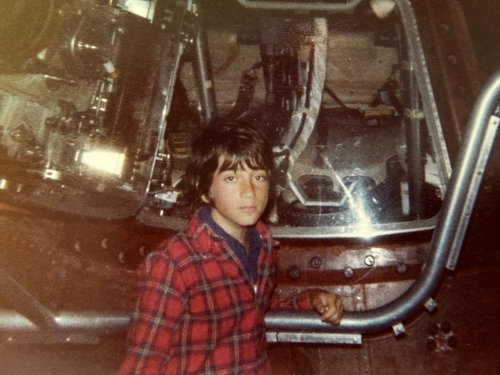
Long before he stood in launch control rooms or directed countdown operations, Mike Ciannilli was a kid whose earliest memories revolved around space. He grew up watching rocket launches on television, absorbing every NASA documentary he could find, and dreaming about what existed beyond the sky. The fascination felt pre-lit, something baked into his DNA long before he understood where it would lead.
In school, that curiosity turned into action. Mike built and launched model rockets, entered science fairs, and spent hours in the library studying the history and mechanics of the space program. When it came time to choose a college path, the decision felt obvious. He headed to Florida’s Space Coast to study Space Science at a university just minutes from Kennedy Space Center, placing himself at the physical ground zero of his childhood dream.
Finding His Place in the Space Program
Mike’s path into NASA was not immediate or easy. After internships at the Cape, leadership roles in student organizations, and time spent teaching, he navigated unexpected challenges before his opportunity arrived. When it did, he stepped into engineering and operations roles supporting the Space Shuttle program.
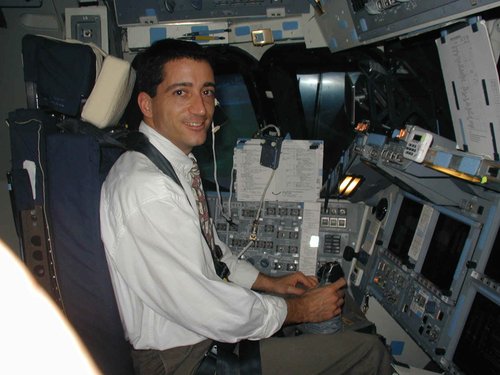
His early work included hands-on responsibilities with orbiter systems such as power, water, and payload operations. Over time, he advanced into leadership roles with United Space Alliance and later NASA itself, contributing to shuttle assembly, launch processing, and post-flight operations. The work demanded precision, teamwork, and the understanding that every decision carried consequences.
Test Director Responsibility
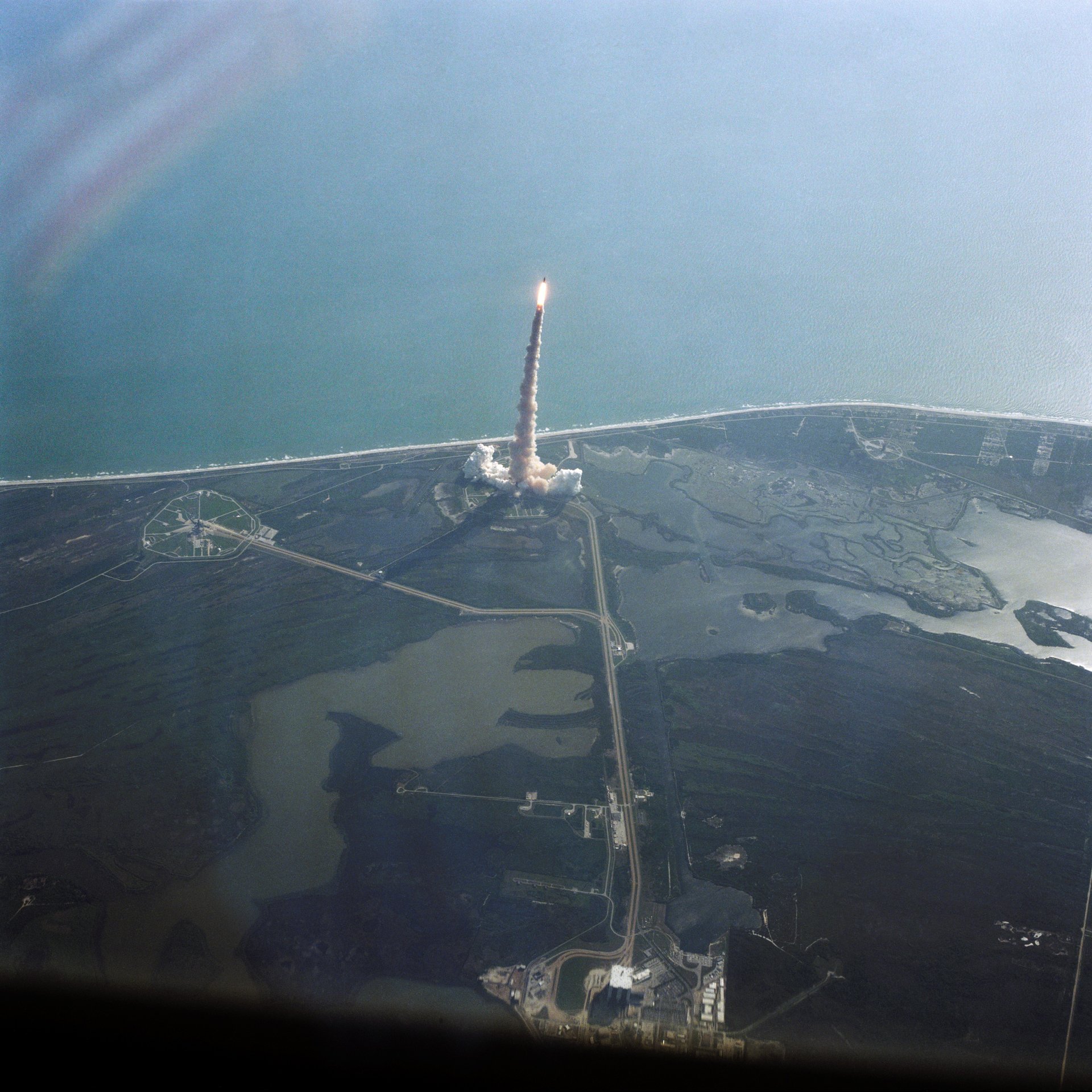
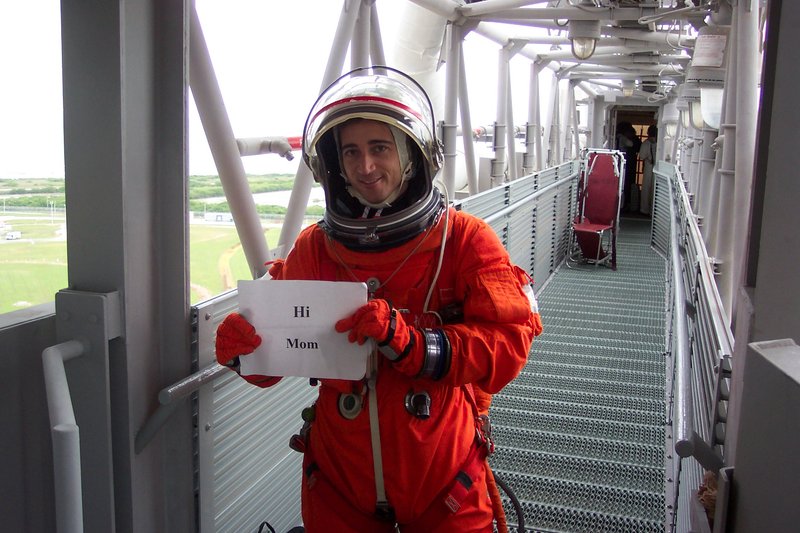
Mike eventually became a NASA Test Director at Kennedy Space Center, overseeing shuttle processing and directing launch teams through the most critical phases of countdown and liftoff. In contingency roles, he led launch and landing recovery operations, including flight crew recovery and mission-critical decision support when seconds mattered.
The role required more than technical knowledge. It required judgment, discipline, and the ability to listen when systems and people signaled concern. These experiences later shaped the Preventing Failure discipline that defines Mike’s work today.
Columbia and the Responsibility to Remember
In 2003, the Space Shuttle Columbia accident changed everything.
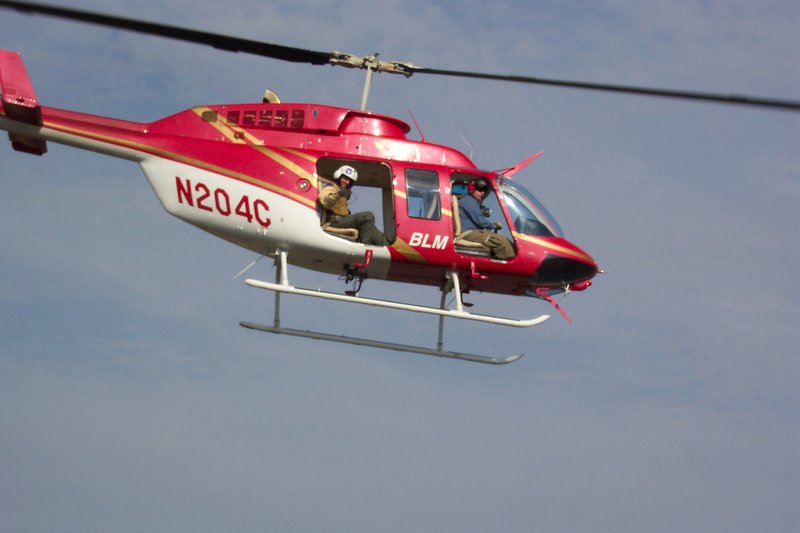
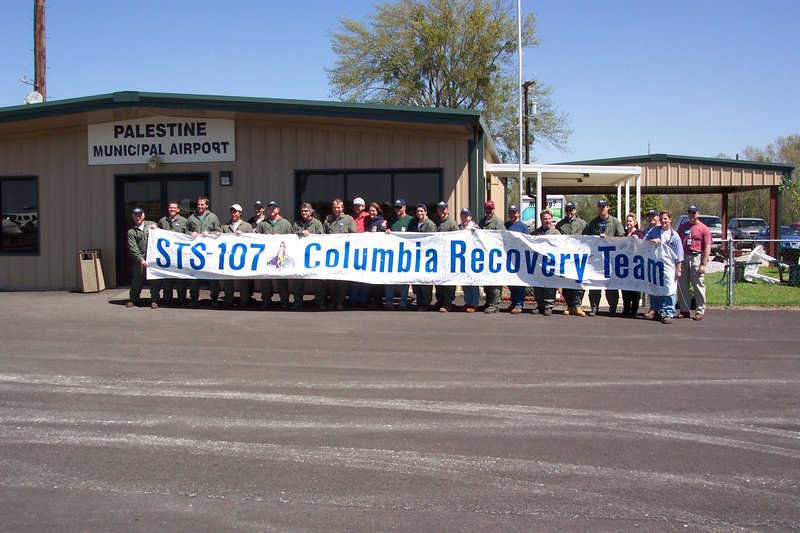
During recovery operations, Mike flew extensively over Texas on helicopters, leading air search efforts to locate and respectfully recover Columbia and her crew. The experience left a permanent imprint, reinforcing the weight of responsibility carried by those who prepare missions and safeguard astronauts.
Rather than turning away from tragedy, Mike committed himself to honoring the fallen by ensuring their lessons would actively shape future missions. That commitment became a defining thread throughout the rest of his NASA career.
Preserving Lessons That Matter
In the years that followed, Mike led major efforts to recover, preserve, and learn from both Challenger and Columbia. He headed the Columbia Research and Preservation Office and supported the Space Shuttle Challenger recovery efforts, overseeing the respectful handling and protection of critical artifacts.
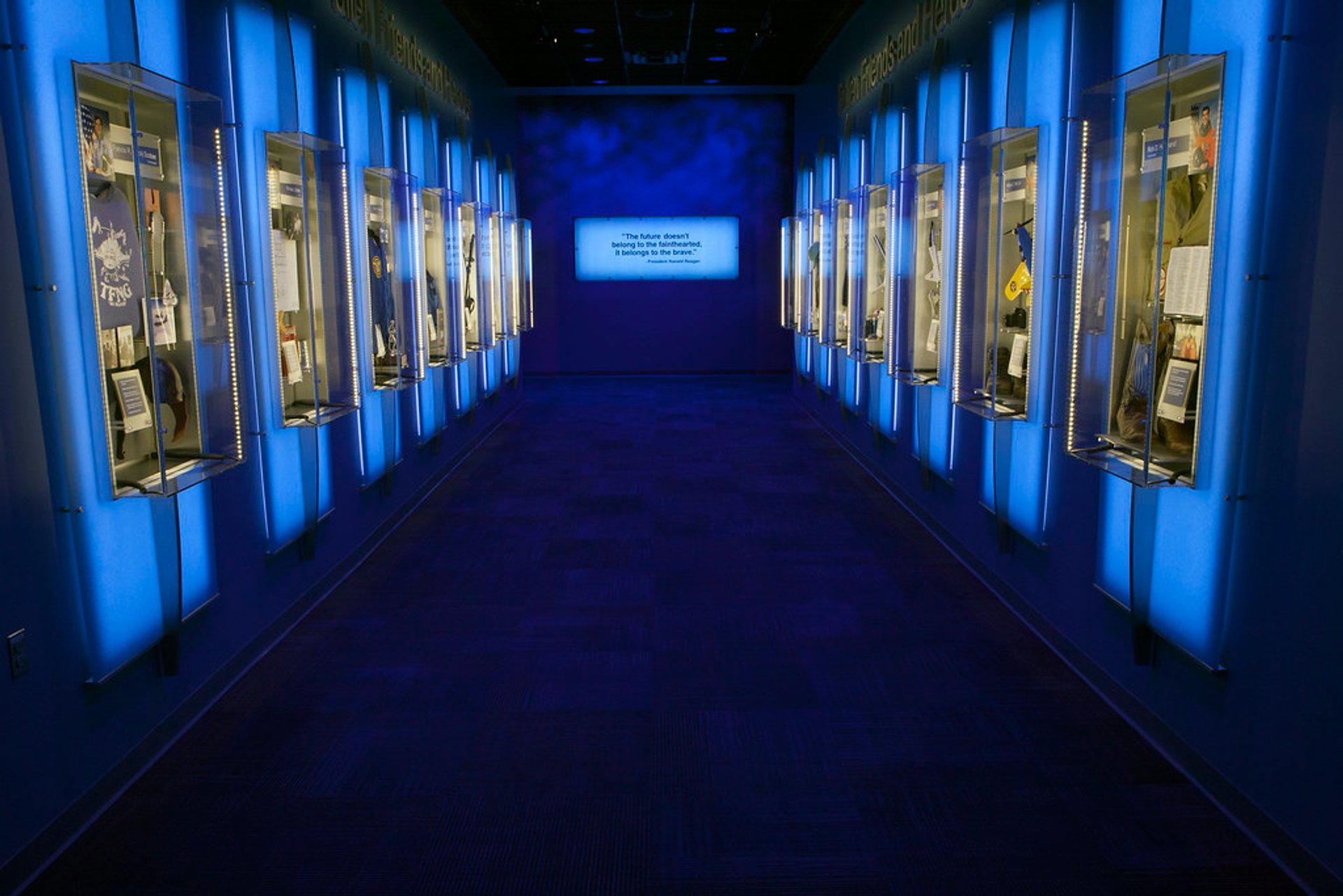
He led an unprecedented artifact loan program that allowed researchers and academic institutions around the world to study real mission materials. His work culminated in the development of Forever Remembered at Kennedy Space Center Visitor Complex, a national memorial visited by millions each year that honors the Challenger and Columbia crews.
Mike’s leadership was also recognized with NASA’s Silver Snoopy Award, one of the agency’s highest honors, personally presented by astronauts to individuals who contribute significantly to flight safety and mission success.
Turning History into Prevention
Building on this foundation, Mike created NASA’s Apollo Challenger Columbia Lessons Learned Program, blending immersive storytelling, multimedia experiences, and collaborative events to strengthen safety culture across NASA and its partners. The program focused on one core belief: learning is not complete until it changes decisions.
That philosophy became the foundation for Mike’s work beyond NASA and ultimately shaped his keynote and learning model, Preventing Failure: Lessons Learned to Lessons Applied.
Why This Story Matters Today
Mike’s NASA story is not shared as a résumé. It is shared because it explains how someone develops the discipline to talk about risk honestly, challenge assumptions, and protect learning when pressure rises.
The same lessons that guided launch teams and recovery operations now guide leaders in industries where decisions carry real consequences.
Flights Supported
Space Program
as NASA Test Director
Outer Space
and Media Appearances
"Instead of living with a nightmare and caving to it, he has turned it into an educational experience for all of us who work to save lives."