

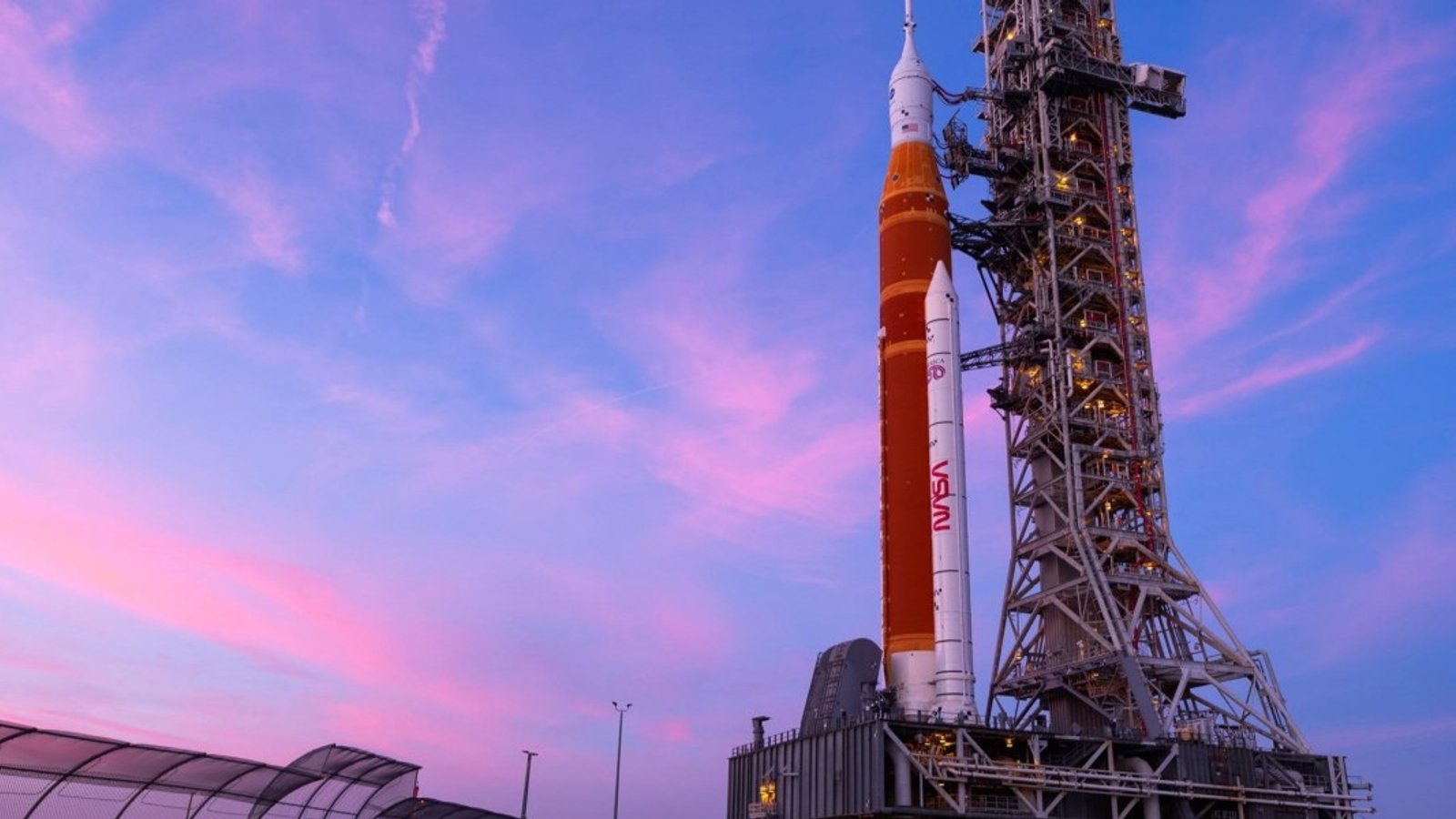

I published a similar article in LinkedIn in March...
In the world of aerospace, we often say that "normal" is just a setting on a dryer. In spaceflight, the environment is constantly shifting, and our ability to adapt to the "unusual" is what defines mission success.
Recently, I shared a piece on LinkedIn regarding a significant and somewhat unconventional activity at NASA that caught the industry's attention. The discussion it sparked reminds me of a core tenet I’ve carried throughout my 30-year career at Kennedy Space Center: To lead in the future, we must be the most disciplined students of the present.
The "Unusual" is Where the Learning Happens
In my recent LinkedIn feature, we looked at NASA’s recent tactical shifts. When an agency with decades of rigid protocol does something "unusual," it isn’t a sign of instability—it’s a masterclass in calculated risk and evolved technical management.
As the former manager of the Apollo, Challenger, Columbia Lessons Learned Program (ACCLLP), my life’s work has been centered on the "Human Side of Engineering." Whether I was leading a launch team as a NASA Test Director or preserving the artifacts of the Columbia Research and Preservation Office, the goal was always the same: Turn today’s anomalies into tomorrow’s safeguards.
Bridging the Gap: From the Launchpad to Your Boardroom
Today, as an independent Aerospace Technical Advisor and Media Consultant, I take these "unusual" NASA moments and translate them for a broader audience. Whether you are a production team looking for technical accuracy in a space-themed documentary, or a corporate leadership team navigating high-stakes decision-making, the principles remain the same:
Critical Thinking Under Pressure: How to maintain technical integrity when the "unusual" occurs.
Safety Culture Evolution: Moving beyond "we’ve always done it this way."
Media Authenticity: Ensuring the story of space is told with the gravity and precision it deserves.
Space exploration is moving faster than ever. From the Artemis missions to the surge in commercial spaceflight, the margin for error is slimming. When we see "unusual" activities, we shouldn't just watch—we should analyze.
Let’s keep the conversation going. If you haven't yet, head over to my LinkedIn profile to join the debate on this latest NASA activity.
________________________________________________________________________________________________________________________
Mike Ciannilli | NASA Test Director | Aerospace Technical Advisor | Preventing Failure Keynote Speaker | Spaceflight Risk & Decision-Making Expert | Media Commentator
Mike Ciannilli is an aerospace engineer and former NASA test director and mission leader who explains how disciplined decisions prevent failure in complex space missions. Drawing on experience in mission operations and test director environments, he analyzes developments in human spaceflight, mission risk, and major program decisions.
Preventing failure in complex space missions through disciplined decisions and lessons applied. https://preventfailure.com
Are you looking for an expert voice to guide your next aerospace project or media production?
Click the Book Mike link at the top to connect with me.